Ask ChatGPT to recommend products in your category and your brand may be absent. Run the same question through Claude and it may appear near the top. Gemini might lead with a competitor, while Perplexity may cite a page you published without naming your company as a recommendation.
Those answers can all be genuine, but they do not add up to a dependable conclusion on their own. Each one is a single observation from one service at one moment. Brand tracking becomes useful when you repeat a stable set of buyer questions, compare the same brands, preserve the model-level results, and watch what changes.
This guide shows how to build that measurement. You can start with a spreadsheet and four browser tabs. You can automate the work later if the results become important enough to track every day or week.
Why one brand check is only a snapshot
A screenshot proves what one answer contained. It does not show whether the brand appears consistently, whether a competitor is usually mentioned first, or whether a result is limited to one model. Even a second answer can differ while the prompt and website stay unchanged.
The practical response is to treat each answer as one sample. Save the prompt, model, answer, time, brands named, and cited sources. Then repeat the same setup. A pattern becomes easier to see when several observations share the same inputs.
This also protects you from an easy reporting mistake. If a team searches until it finds the most flattering answer, the final screenshot says more about the search process than the brand's normal visibility. A fixed prompt set prevents that kind of accidental selection.
The aim is not to make AI answers deterministic. They are not. The aim is to make your own method consistent enough that changes deserve investigation.
Choose the measurement before choosing the prompts
Teams often use "AI visibility" to describe several different questions. A brand can be named, ranked against competitors, cited as a source, or described positively. Those are separate observations and they call for different measurements.
| Question | Useful result | |
|---|---|---|
| Rankings | Which tracked brands are named, and in what relative order? | Mention rate, average relative position, and position by model |
| Comparison | How is our brand presented beside named competitors? | Brand and competitor results for the same buyer question |
| Citations | Which pages or domains support the answer? | Cited sources and whether a watched URL appears |
| Sentiment | How is one named brand described? | Positive, neutral, and negative treatment across answers |
Start with one primary question. If the goal is category presence, use rankings. If the goal is to learn which pages influence answers, use citations. Mixing every signal into one score makes the result difficult to explain and even harder to act on.
A rankings tracker should include your own brand in the tracked brand set alongside the competitors that matter. The result is relative to that supplied set. It is not a universal league table of every company the model could have named.
Build prompts from buyer questions, not keyword variations
The prompt list defines the market you are measuring. Twenty rewrites of "best CRM" create a large dataset without adding much coverage. A smaller set of genuinely different buyer questions is more informative.
Start with the decisions your customer makes. Cover early discovery, specific use cases, comparison, switching, and constraints such as team size or location. A project management product might track questions like these:
- What are the best project management tools for a small design agency?
- Which project management software works well for external client approvals?
- What are good alternatives to a named competitor for a remote team?
- Which tools can replace spreadsheets for managing several client projects?
- What should a UK agency compare before choosing project management software?
These prompts cover different needs. They also give the answer enough context to make a useful recommendation. A broad prompt can still belong in the set, but it should not be the whole set.
Avoid putting your brand name in every question. A prompt such as "Is Acme a good CRM?" measures how the model describes Acme after being asked about it. It does not measure whether Acme appears during unaided category discovery. Keep branded prompts for sentiment, objections, and comparison work.
Write each prompt so it can survive the next few months. Dates, campaign language, and temporary offers make a historical series hard to compare. When a question genuinely needs to change, create a new prompt rather than overwriting the old one.
Keep the comparison stable across all four models
Run the exact wording through ChatGPT, Claude, Gemini, and Perplexity. Track the same brand set in every answer. If one run uses four services and the next uses three, the combined mention rate is no longer directly comparable.
Save the model-level result instead of keeping only an average. An overall mention rate can stay unchanged while the underlying mix moves in opposite directions. ChatGPT might start naming the brand just as Claude stops. The average hides that change; the per-model record keeps it visible.
Stable inputs also make competitor changes easier to read. Adding five new competitors can alter relative positions even when the answer text is similar, because the position is calculated against the brands you supplied. Treat changes to the comparison set as a new measurement definition.
Record failed model calls as failures rather than silent absences. A brand was not "missing" from an answer that never arrived. Cite42 calculates mention rate from successful model results for this reason.
Read AI visibility metrics without giving them extra meaning
Three fields are enough for a useful rankings baseline: mention rate, average relative position, and the result for each model. Each field answers a narrow question.
Mention rate shows breadth across successful answers
Mention rate is the fraction of successful answers that contain the tracked brand. If the brand appears in three of four answers, its mention rate is 0.75. It does not say whether the mention was positive, prominent, or supported by a citation.
Average position shows order among the brands you track
Cite42 finds the first whole-word mention of each supplied brand and ranks those first mentions within the answer. Average position is the mean of those relative positions across the models that named the brand. A lower number means the brand appeared earlier relative to the other supplied brands.
Read that number as a comparison aid, not a search-engine rank. AI answers are prose, and an early mention is not automatically an endorsement. Inspect the answer whenever position changes enough to matter.
Model-level results show where the average came from
The by-model result records a relative position or no position for each service. This is often the most useful diagnostic view because it tells you where to open the full answer. It also stops a single overall score from disguising a weak surface.
Use model disagreement as an investigation queue
When ChatGPT names your brand and Gemini does not, the result does not reveal why. The difference tells you where to inspect. Open both answers and compare their framing, named competitors, and sources.
One service may interpret the category differently. Another may respond to the audience or location in the prompt. A cited source may cover several competitors but omit your product. These are possible explanations to test, not conclusions to assume.
Repeat the prompt on the planned cadence before turning one disagreement into a content project. If the same gap appears across several runs or related prompts, it has earned more attention. If it disappears on the next run, keep it in the history and move on.
The full answer matters here. A brand can be mentioned first because the model is warning against it. Another can appear later in a detailed recommendation that fits the buyer well. Metrics help you find the passage; they do not replace reading it.
Choose a cadence that matches the decision
Daily tracking can make sense during a product launch, rebrand, active campaign, or a short investigation where the team expects to review changes each day. Weekly tracking is easier to manage for an ongoing category baseline.
The schedule should create a review habit, not a stream of numbers nobody uses. Decide who will look at the report, what size of movement deserves investigation, and which raw answers should be opened. If there is no owner or decision, reduce the cadence.
Keep the local run time and timezone stable. This does not remove model variation, but it avoids introducing another needless difference between observations. Save both the result and the time it was sampled.
Compare like with like. A weekly result should be compared with the previous run that used the same prompt, brands, and model selection. If the definition changes, mark the break in the series rather than presenting it as ordinary movement.
Turn repeated visibility gaps into specific work
Treat a missing mention as a clue. It does not automatically justify a new article. Start with the answer that omitted the brand. What category did it think the user meant? Which competitors fit its interpretation? Which sources supported the response?
The next action should follow that evidence. A relevant page may describe the product in company language while buyers use a different phrase. A use-case page may be missing. A comparison may leave an obvious question unanswered. An independent article used as a source may cover the category without including your product.
- Confirm the gapLook for the same absence across repeated runs or closely related buyer prompts before changing anything.
- Read the answers and sourcesNote how the model frames the category, which competitors it includes, and which cited pages appear repeatedly.
- Choose one responseImprove the most relevant existing page, create a genuinely missing resource, clarify positioning, or pursue appropriate third-party coverage.
- Keep the measurement stableContinue the same prompt set so later runs can show whether the gap persists. Do not change the test to make the result look better.
Resist the urge to publish a separate article for every prompt. Several gaps may point to one unclear category page or one missing explanation. Group related observations before deciding what to create.
Start with a spreadsheet, then automate repeated work
A manual audit is enough to learn whether AI visibility matters for your category. Put one prompt on each row, add a column for every model, and record the answer, named brands, relative order, citations, and sampling time.
Manual tracking becomes awkward when you repeat many prompts, monitor several competitors, or need a dependable history. That is the point where automation saves work. It should preserve the method you already understand rather than hide it behind a single score.
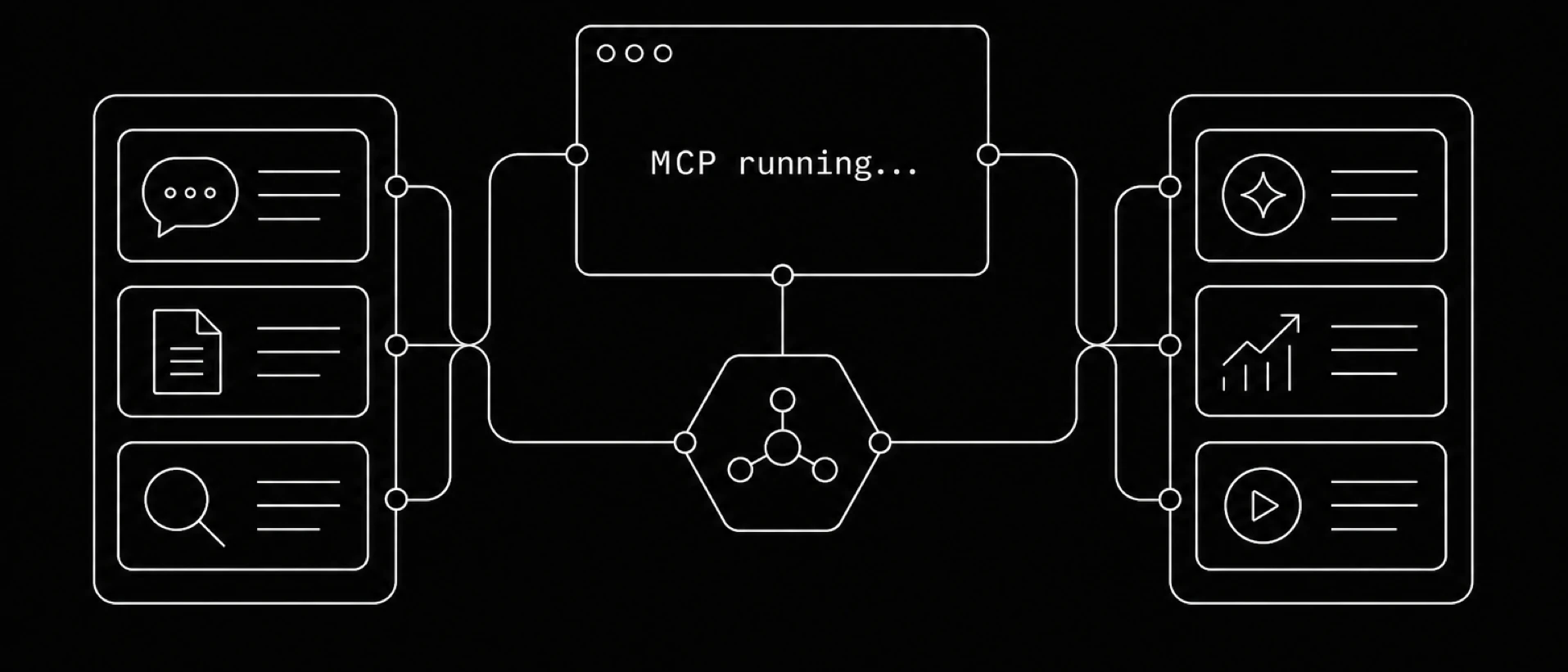
A Cite42 rankings tracker stores 1 to 25 prompts, a fixed brand set, and an explicit model selection. It can run daily or weekly and keeps the completed results together, including mention rate, average position, and the result for each model. The same tracker history is available in the dashboard and through MCP.
Start with the category question your buyers ask most often. Add enough related prompts to cover different needs, run the same set across ChatGPT, Claude, Gemini, and Perplexity, and review the raw answers behind any movement. That gives you a baseline you can explain and a short list of gaps that are worth acting on.
You can read more about the Cite42 AI visibility tracker or create an account when you are ready to save the first prompt set.